
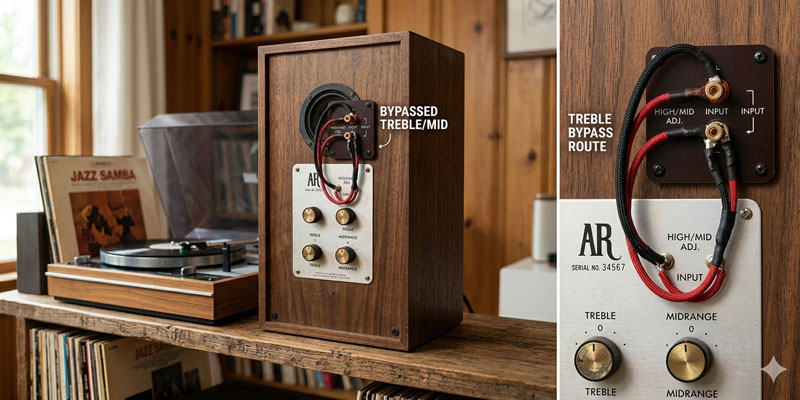
Are you frustrated by the harsh or overly bright sound coming from your vintage speakers? Sometimes, the built-in treble adjustment can make your listening experience less enjoyable, especially with older audio gear that wasn’t designed for today’s sound preferences.
What if you could bypass that treble control altogether and hear your music closer to its original form? You’ll discover simple and effective ways to bypass treble adjustment on vintage speakers. By following these steps, you’ll unlock richer, clearer sound without the annoying highs that spoil your favorite tracks.
Keep reading to learn how to take full control of your audio and bring new life to your classic speakers.
Reasons To Bypass Treble Adjustment
Bypassing the treble adjustment on vintage speakers can improve your listening experience. Older treble controls often cause problems that affect sound quality. Skipping the treble adjustment lets the speaker play the original audio without unwanted changes. This section explains why bypassing the treble control can be a smart choice.
Common Issues With Vintage Treble Controls
Vintage treble knobs may wear out over time. They can cause crackling noises or uneven sound levels. Dust and dirt often build up inside the controls. This buildup leads to poor contact and erratic adjustments. Some treble circuits were not designed for today’s audio sources. They may add hiss or distortion instead of clarity.
Impact On Sound Quality
Faulty treble adjustments can reduce sound clarity. High frequencies may sound harsh or tinny. Sometimes the treble control mutes important details in music. It can make the audio feel less natural and less balanced. Bypassing the treble lets the speaker reproduce audio as intended. This often results in cleaner and smoother sound.
When Bypass Is Beneficial
Bypass helps when the treble control is damaged or noisy. It is useful for speakers with outdated or faulty tone circuits. Audiophiles prefer bypass to hear pure, unaltered sound. Bypass also avoids extra electronic interference from old parts. If your vintage speaker sounds better without treble adjustments, bypassing is a good option.
Simple Methods To Bypass Treble
Bypassing treble adjustment on vintage speakers can bring you closer to the original sound. Simple methods allow you to disable or bypass the treble control. This improves sound clarity and preserves the speaker’s natural tone. These solutions do not need complex tools or skills.
Using Tone Control Bypass Switch
Many vintage speakers have a tone control bypass switch. This switch disables the treble and bass controls. It sends the audio signal directly to the speakers without modification. Using this switch is the easiest way to bypass treble adjustment. Just flip the switch to the bypass position and enjoy pure sound.
Modifying Internal Wiring
Another method is to modify the speaker’s internal wiring. This involves disconnecting the treble control circuit inside the speaker. You may need to open the speaker cabinet carefully. Locate the wires connected to the treble control knob. Remove or bypass these wires to prevent treble adjustments. This method requires basic knowledge of speaker wiring and caution to avoid damage.
External Signal Processing Options
External signal processors can bypass or remove treble adjustments too. You can add an equalizer or tone control device before the speaker input. Set the external device to neutral or flat settings. This bypasses the internal treble control of the vintage speaker. External processors offer more control over sound customization without altering the speaker’s hardware.
Maintaining Balanced Sound After Bypass
Maintaining balanced sound after bypassing the treble adjustment on vintage speakers is essential. Bypassing can alter the audio output, making some frequencies too strong or weak. Careful tuning of other controls helps keep the sound natural and enjoyable. This section covers key steps to achieve clear, balanced audio while protecting your vintage speakers.
Adjusting Bass And Volume Levels
Start by setting bass and volume to moderate levels. Avoid turning bass too high; it may cause distortion or boominess. Adjust volume to a comfortable listening level without pushing speakers too hard. Small changes can improve sound balance after treble bypass. Test with different music types to find the best settings.
Avoiding Harsh Or Muffled Audio
Without treble control, audio may sound harsh or muffled. Listen carefully for sharp highs or dull sounds. Reduce bass if the audio feels muddy. Use small volume changes to soften harshness. Aim for clear vocals and instruments without strain. Balance is key to prevent listener fatigue.
Tips For Long-term Speaker Care
Keep vintage speakers clean and dry to avoid damage. Avoid playing at maximum volume for long periods. Store speakers away from direct sunlight and moisture. Check wiring and connections regularly for wear. Gentle handling preserves speaker parts and sound quality over time.
FAQs: How to Bypass Treble Adjustment on Vintage Speakers?
How To Reduce Treble In Speaker?
Open your speaker or audio device settings. Locate the treble control and lower its level gradually. Test the sound until harshness reduces. Avoid excessive cuts to maintain clarity. Adjust bass accordingly for balanced audio. Use equalizer apps if available for precise treble reduction.
What Is Tone Bypass?
Tone bypass disables tone controls, letting you hear audio without bass or treble adjustments. It preserves the original sound.
Should Treble Be Set Higher Than Bass?
Treble should not always be set higher than bass. Balance them to suit your audio preference and avoid harshness or muddiness. Adjust treble for clarity and bass for fullness, ensuring a clear, natural sound without distortion.
Conclusion
Bypassing the treble adjustment on vintage speakers can improve sound clarity. It lets you hear music closer to its original tone. Simple steps help you avoid distortion or harshness. Keep experimenting with settings until the sound feels right. Enjoy your vintage speakers with a fresh, balanced audio experience.