
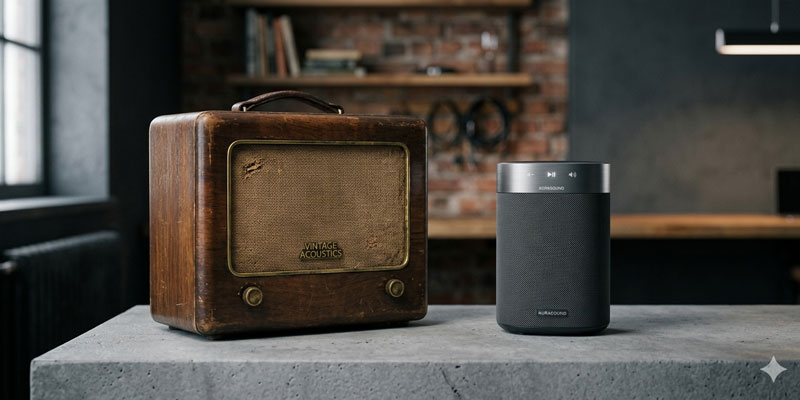
When it comes to choosing speakers, you might find yourself torn between the charm of antique speakers and the precision of modern designs. You’re probably wondering which option truly delivers the best sound experience for your space and budget.
Are those vintage speakers just nostalgic showpieces, or do they still hold their ground against today’s advanced technology? On the other hand, can modern speakers capture the warmth and character that many audiophiles swear by in classic models? You’ll discover the real differences between antique and modern speakers, learn how each can impact your listening, and get practical tips to help you decide what fits your style and needs.
Keep reading to unlock the truth and make your next sound upgrade truly worth it.
Sound Quality Comparison
The sound quality of antique speakers and modern models reveals key differences. Audio enthusiasts often debate which delivers the best listening experience. This section explores sound quality by focusing on three main aspects. These are audio fidelity, frequency response, and speaker components.
Audio Fidelity And Clarity
Antique speakers have a warm, rich sound. They often add a vintage character to music. Modern speakers aim for precise and clean sound. They reduce distortion and unwanted noise. Clarity in modern models helps hear details clearly. Antique speakers sometimes blur subtle sounds. This can create a nostalgic effect but lowers accuracy.
Frequency Response Differences
Frequency response shows the range of sounds a speaker can produce. Antique speakers often have limited frequency range. They struggle with very low or very high sounds. Modern speakers cover wider frequency ranges. They reproduce deep bass and crisp highs better. This makes modern speakers more versatile across music genres. Antique speakers may miss some sound details outside their range.
Impact Of Speaker Components
Speaker parts affect sound quality greatly. Antique speakers use older materials for cones and surrounds. These parts may wear out and affect sound over time. Modern speakers use advanced materials like Kevlar or polypropylene. These materials improve durability and sound accuracy. Modern designs also include better crossovers and magnets. These improve sound balance and reduce energy loss.
Design And Build Features
The design and build features of antique and modern speakers reflect different eras and priorities. Antique speakers often showcase traditional craftsmanship and materials. Modern speakers focus on sleek design and advanced technology. These differences influence how each speaker looks, feels, and lasts.
Materials And Craftsmanship
Antique speakers use wood and metal parts crafted by hand. The wood is often thick and solid, giving a warm, classic look. Metal parts may be brass or iron, adding a vintage charm. Each speaker is unique due to manual work.
Modern speakers use plastic, aluminum, and composite materials. These materials allow lighter and more precise parts. Machines ensure consistent quality and exact shapes. The craftsmanship leans on technology rather than handwork.
Size And Aesthetic Appeal
Antique speakers are usually larger and heavier. Their size matches the wood cabinets and big drivers inside. They often have a vintage style that fits classic home decor. The look is bold and noticeable.
Modern speakers are smaller and lighter. They use compact drivers and slim designs. The style is minimal and fits modern spaces well. Many models blend with furniture and walls.
Durability And Maintenance
Antique speakers are durable but need careful maintenance. Wood can crack or warp with age and humidity. Metal parts may rust or tarnish. Regular cleaning and repairs keep them working well.
Modern speakers require less upkeep. Plastic and metal resist damage from moisture and heat. Their parts are easier to replace. They offer longer life with simple care.
Compatibility And Usage
Compatibility and usage are key when choosing between antique and modern speakers. Antique speakers have unique designs and parts. Modern systems use digital technology and newer connections. This difference affects how well old speakers work with new devices. Understanding these factors helps in making a better choice for your audio setup.
Integrating With Modern Systems
Antique speakers often use different connectors than modern gear. They may need adapters or special cables to fit new devices. Many modern systems use Bluetooth or HDMI, which old speakers lack. Using a separate amplifier or receiver can bridge this gap. Modern speakers usually connect easily with current technology. This makes setup faster and simpler.
Power Handling And Impedance
Antique speakers usually have lower power handling limits. Modern speakers can handle more power without damage. Impedance values also vary between old and new models. Matching speaker impedance with the amplifier is important to avoid damage. Modern speakers often have standard impedance ratings. Antique speakers might require careful matching to modern amps.
Practical Listening Environments
Antique speakers perform best in quiet, controlled rooms. They may struggle in large or noisy spaces. Modern speakers are designed for versatile environments. They often include features to improve sound in different rooms. Placement also affects sound quality for both types. Choose speakers that fit your listening space and habits.
FAQs for Antique Speakers Vs Modern
What Is The 83% Rule For Speakers?
The 83% rule helps position speakers by setting listener distance at 83% of the tweeter-to-tweeter spacing. This creates balanced imaging and clearer sound. It forms an isosceles triangle, enhancing soundstage and time alignment. Adjust placement based on room acoustics for best results.
Are Newer Speakers Better Than Old?
Newer speakers often deliver clearer, high-fidelity sound and improved power handling. Yet, some vintage models offer unique audio character. Choose based on sound preference and system compatibility.
Can I Use Vintage Speakers With Modern Systems?
Yes, you can use vintage speakers with modern systems. Match impedance and power handling to avoid damage. Use a suitable amplifier or receiver for best sound quality.
Conclusion
Antique and modern speakers each offer unique sound experiences. Vintage speakers bring warm, rich tones with classic charm. Modern speakers provide clearer sound and advanced features. Choosing depends on personal taste and listening needs. Both types can suit different rooms and music styles.
Experimenting with placement improves sound quality greatly. Enjoying music means finding what feels right to you. Whether old or new, good speakers enhance your listening pleasure.